
How to Write Recipe Blog Titles That Stand Out in Search
Your recipe title does all of the heavy lifting for your blog post — it is the filter for readers and search. The piece of copy that helps someone decide whether or not a dish is the right fit.
Yet most food bloggers tend to leave so much opportunity on the table with their titles by leaning into a target keyword and nothing more.
That’s why so many SERPS look like this.
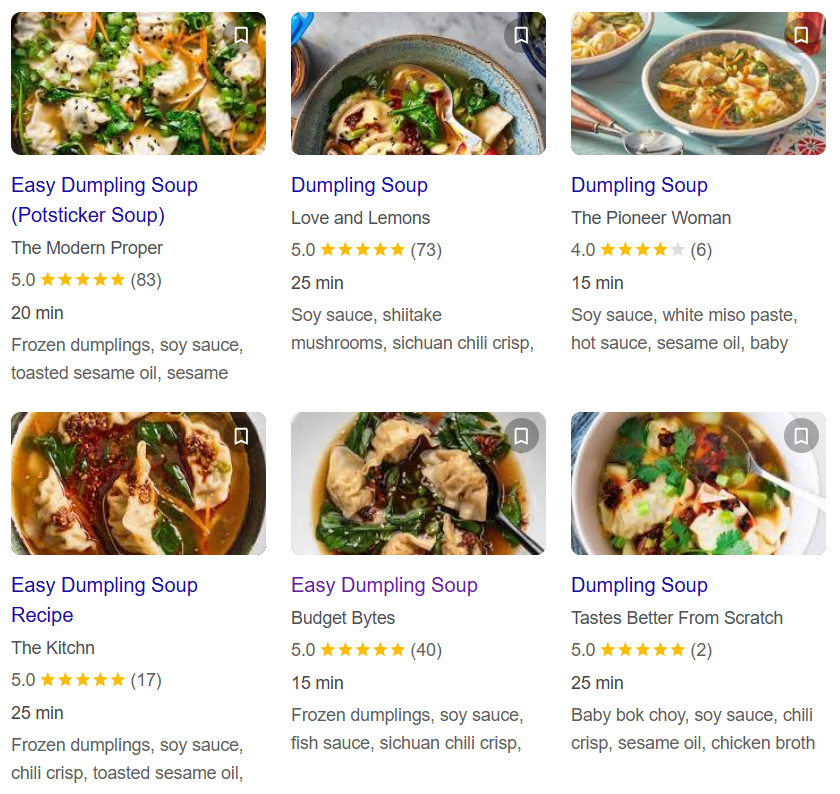
All of the titles are so similar! How can a home cook (or Google) decide if yours is worth clicking on?
The good news is just a few tweaks can make a really big impact.
Great recipe titles should be clear, specific, and helpful with just enough personality to sound like a human wrote them.
Use Your Target Keyword as the Anchor — Then Build Context Around It
Yes, your recipe title should absolutely include a clear target keyword. That’s how search engines understand what your post is about in the first place.
But don’t just stop at the keyword! Building context around it matters.
When you surround your keyword with specific ingredients, methods, or benefits, the title feels natural and far more engaging.
Get Specific About Ingredients and Method
Specificity helps readers make decisions. When you name the key ingredient and/or the method in a title, you immediately answer the reader’s first question: Is this what I’m looking for?
The goal with titles is to keep bounce rates to a minimum. You only want the right people to click and browse. Incorporating key elements like ingredients and methods immediately sets expectations for a reader.
For example, compare Creamy Garlic Chicken to:
Baked Creamy Garlic Chicken Skillet or
Creamy Garlic Chicken (No Dairy!).
The first title makes it clear that you’ll need an oven-safe baking skillet.
The second title suggests this dish has a creamy sauce without dairy and piques a little curiosity in the process (how do you do that?!).
Both of these options are more specific and help repel the wrong kind of cook (which is a good thing!).
You wouldn’t want someone clicking on title 1 if they can’t actually make the recipe correctly. If someone loves classic creamy sauces, title 2 tells them to look elsewhere.
Use Benefits to Signal Why This Recipe Is Worth Making
Once you’ve anchored your title with ingredients, method, and keyword context, the next layer is to communicate an appealing benefit.
Some of the strongest benefits to include in recipe titles are:
Time (30-minute, quick, make-ahead)
Ease (one-pan, no-bake, hands-off)
Outcome (crispy, creamy, tender, fluffy)
Context (weeknight, holiday, meal-prep friendly)
You don’t need all of them! Just one is enough to help a home cook understand what they will get out of your recipe (vs. all of the others). You’re helping them picture their success.
Add Personality Last (and Only If It Helps)
Having a little whimsy in your title is great! But only after clarity is locked in. Personality should never replace information.
Here are some examples of whimsical titles that are still impactful:
Cozy One-Pot Canned Tomato Soup (The One I Make On Repeat)
Mom’s Famous Chow Mein Stir Fry Noodles
Mouthwateringly Tender Red Wine Braised Short Ribs
A Simple Recipe Title Framework
When you’re stuck, try this structure:
[Benefit or Time] + [Key Ingredient] + [Method] (+ optional texture or personality)
A strong recipe title shouldn’t be so packed with keywords that it feels stiff and robotic. But it also shouldn’t be so flashy and poetic that it’s too vague to understand.
Instead, aim for the middle — the perfect balance of strategic, specific, and fun.